All Categories
Featured
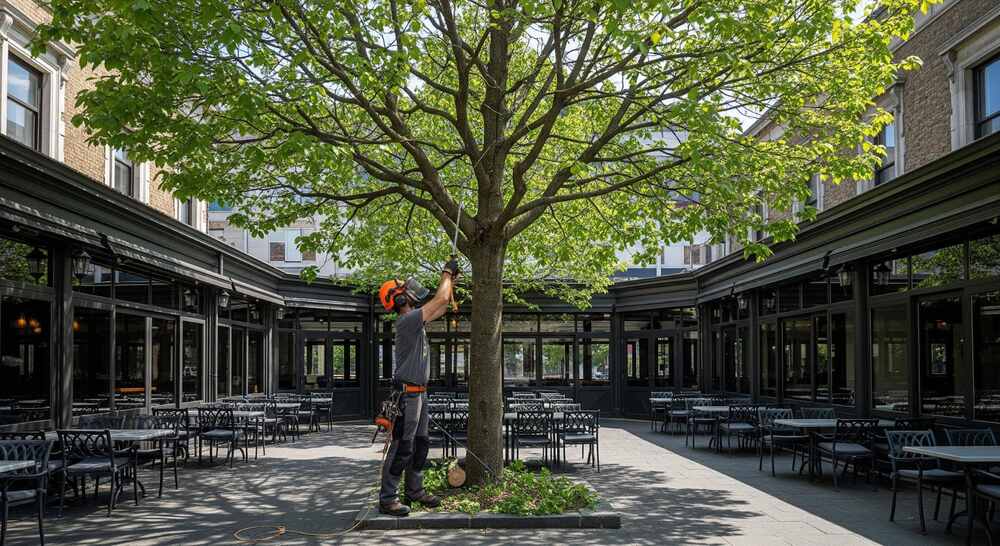
How Smart Tree Management Reduces Campus Liability
Table of Contents
These trees need to be pruned or formed to direct future development. The result of this type of pruning is a more gorgeous and structurally sound tree and a significant reduction in future upkeep costs. Cabling/bracing: Cabling and bracing is the art and science of utilizing cable televisions and/or wood screws (braces) to fix or extend the usefulness of a tree.
Braces are typically utilized in combination with cable televisions to help support of pull split trunks back together. Cabling and bracing ought to not be used to remedy dangerous tree problems, however they can be helpful in extending the life of a significant tree. Cavity filling: Trees suffer mechanical damage from a variety of sources consisting of landscape upkeep devices, automobiles, the environment and other aspects.
Cavities can be concealed within the trunk, or they can be exposed to the surface area leaving a little or large open hole. It ends up being challenging or difficult for the tree to grow throughout the area and fix the damage, so it sometimes ends up being needed to fill the cavity so that callus can grow across the hole and block the cavity to the exterior.
Modernizing Campus Hydration Networks this Year
Stumps diminish the aesthetic appearance of the campus and can produce safety hazards. Stumps likewise impact other landscape upkeep activities by developing a barrier that needs to be cut around. Stumps are removed by utilizing a device to grind the stumps listed below the soil surface. Fertilizing: Continuous removal of leaf debris around a tree ultimately leads to a loss of important nutrients that would typically be readily available to a tree in a natural forest.
This generally involves injecting a soluble, slow-release fertilizer into the soil so that it can be used up by the root system. Mulching around the trees is likewise crucial for returning nutrients to the soil. Spraying: Sometimes, trees are attacked by numerous bugs and microbes and need to be treated to protect them from disease.
Soil changing: Biostimulants and Mycorrhizal fungis are included into the soil profile near the root system of the tree to improve health and vigor. The University focuses on water-conserving landscape design that requires very little maintenance. Due to the fact that the University school is a designated arboretum, it includes a variety of plants, consisting of non-native types and drought-intolerant varieties.
Commercial Deadwood RemovalEnsuring Longevity With Professional Tree Inspections
The university arboretum consists of edible plants such as fruit trees, berry bushes, and herbs as ornamentals, however they were not planted for usage as a food source, and new edible plants are not being contributed to the landscaping. Harmful plants are not utilized near water, dining facilities, and children's centers.
The University has practice drills to train staff.
When it pertains to developing medical facility landscapes that promote recovery and wellness, the inclusion of trees plays a considerable role. At Embark Tree Care, we understand the healing benefits that trees bring to health care environments. In this blog, we will explore how trees add to the recovery impact of landscaping at medical facilities and why they are an important component in creating peaceful and revitalizing outdoor areas.
Advanced Watering Tech for Facility Safety
Research has actually shown that direct exposure to green areas, such as tree-filled landscapes, can considerably minimize stress levels and improve psychological wellness. By integrating trees into healthcare facility landscapes, we develop an environment that assists clients, visitors, and health care staff discover solace and reprieve from the needs of medical settings. The presence of trees provides a visual escape and a suggestion of the charm and tranquility discovered in the natural world.
They absorb toxins, such as carbon dioxide, ozone, and particle matter, and release oxygen through the procedure of photosynthesis. By tactically positioning trees throughout the medical facility landscape, we can help filter out hazardous compounds and develop a cleaner and much healthier environment for all. Enhanced air quality contributes to better respiratory health, which is especially important for clients with breathing conditions.
Trees create cool and shaded areas that offer remedy for the sun's heat, making outside spaces more inviting and satisfying. This is particularly advantageous for clients, visitors, and healthcare personnel who might need reprieve from the intense heat or need a calm and shaded location for relaxation. By integrating trees, we can reduce the heat island effect and develop microclimates that enhance the outside experience.
The University has practice drills to train personnel.
Precision Watering Systems for Facility Resilience
When it pertains to developing hospital landscapes that promote recovery and well-being, the inclusion of trees plays a considerable function. At Embark Tree Care, we understand the therapeutic advantages that trees bring to health care environments. In this blog, we will check out how trees contribute to the recovery result of landscaping at healthcare facilities and why they are a crucial aspect in creating tranquil and rejuvenating outdoor spaces.
Research study has revealed that direct exposure to green spaces, such as tree-filled landscapes, can substantially minimize tension levels and improve mental well-being. By integrating trees into hospital landscapes, we create an environment that helps patients, visitors, and healthcare staff discover solace and respite from the needs of medical settings. The existence of trees uses a visual escape and a pointer of the charm and serenity discovered in the natural world.
They take in contaminants, such as co2, ozone, and particle matter, and release oxygen through the procedure of photosynthesis. By strategically positioning trees throughout the healthcare facility landscape, we can assist filter out harmful substances and create a cleaner and much healthier environment for all. Enhanced air quality contributes to better respiratory health, which is especially important for patients with breathing conditions.
Trees develop cool and shaded areas that use remedy for the sun's heat, making outdoor spaces more inviting and pleasurable. This is particularly beneficial for clients, visitors, and healthcare personnel who may require respite from the extreme heat or need a calm and shaded location for relaxation. By integrating trees, we can mitigate the heat island effect and create microclimates that boost the outdoor experience.

Latest Posts
Smart Irrigation Systems for Commercial Resilience

Reliable Tree Services for Southern California Hubs
Advanced Watering Systems for Commercial Safety